Ideal Uses for Climate Controlled Storage Buildings
Types of Climate-Controlled Storage Buildings
Not every climate controlled storage building uses the same system. The right type depends on what your tenants need to store, your local climate zone, and how much you want to invest in utilities. Here are the four main options.:

Climate-Controlled Storage
Full climate controlled storage actively regulates both temperature and relative humidity inside the building year-round, typically holding temperature between 55 and 85 degrees Fahrenheit and humidity between 30 and 50 percent. It is the appropriate option for self-storage facilities accepting electronics, business documents, wood furniture, pharmaceuticals, wine, and other inventory that degrades under temperature or moisture swings.

Air-Cooled Storage
Air-cooled storage uses powered ventilation to move air through the building and reduce heat buildup, but it does not actively regulate temperature or control relative humidity the way a full climate system does. It is a practical and lower-cost option in moderate climates where tenants need protection from peak summer heat rather than year-round temperature stability.

Heated Storage
Heated storage maintains a minimum temperature threshold, generally above 35 to 40 degrees Fahrenheit, to prevent freeze damage to tenant property during cold months. It is a cost-effective climate option for cold-climate regions where the primary concern is protecting items from freeze cycles rather than controlling year-round heat or humidity levels.

Humidity-Controlled Storage
Humidity-controlled storage targets relative humidity levels in the air, typically holding between 30 and 50 percent, without necessarily regulating temperature to the same degree as a full climate system. It is the right choice for facilities in high-humidity climates where mold growth, corrosion, and material warping are the primary risks to tenant inventory, particularly business records, artwork, wood furniture, and certain types of equipment.
Climate Controlled Storage Building Cost: What Affects Your Price
Building Customizations
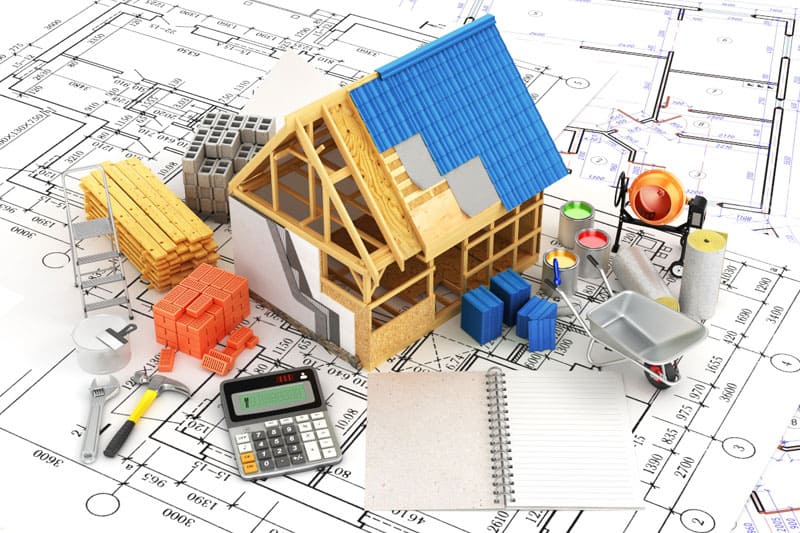


Design and Build Your Climate Controlled Storage Facility with Storage Building Central
Our Clients
Storage Building Central has supplied steel buildings to some of the most demanding operators and organizations in the country.




Frequently Asked Questions
What is a climate controlled storage building?
A climate controlled storage building is a steel structure equipped with insulation and HVAC systems that actively regulate temperature and relative humidity inside the building year-round, regardless of outdoor conditions. Temperature is typically maintained between 55 and 85 degrees Fahrenheit, with humidity held between 30 and 50 percent relative humidity. This type of facility is used by self-storage operators and businesses protecting sensitive inventory, documents, electronics, wood furniture, and equipment from heat, cold, moisture, and corrosion.
What items need climate controlled storage?
Items that benefit from climate controlled storage include business documents and records, electronics and computer equipment, wooden furniture, artwork, wine and collectibles, pharmaceuticals and medical supplies, musical instruments, antiques, and sensitive inventory or raw materials that degrade under temperature swings or humidity exposure. Any item that can warp, corrode, mold, or malfunction when exposed to moisture or extreme temperature is a candidate for climate controlled storage.
What is the difference between climate controlled and air conditioned storage?
Climate controlled storage regulates both temperature and relative humidity year-round. Air conditioned storage typically only cools the air temperature and does not actively monitor or control humidity levels. For tenants storing moisture-sensitive items like documents, electronics, or wood furniture, climate control provides more complete protection than air conditioning alone.
How much does a climate controlled storage building cost?
The cost depends on building size and footprint, number of units, interior corridor configuration, insulation R-value, HVAC system type and capacity, door count, local wind and snow load requirements, foundation needs, site preparation, and delivery distance. Because every project is different, Storage Building Central provides quotes based on your specific site, layout, and climate requirements. Call (844) 315-3151 to start the process.
Can a mini storage building be climate controlled?
Yes. Mini storage buildings can be designed with insulation, vapor barriers, and HVAC systems that provide full temperature and humidity control. Climate controlled mini storage facilities typically use interior hallway layouts rather than drive-up configurations, since the corridor layout makes it practical to maintain a stable indoor environment across the full building. Storage Building Central designs both standard and climate controlled mini storage buildings.